
France
France is a destination of elegant cities, sunlit coastlines, Alpine peaks, vineyard villages, historic châteaux and world-class food, offering a holiday for almost every kind of traveller.
Excellent

4.6
France
France is one of those countries that feels endlessly familiar in name, yet endlessly surprising once you begin to travel through it properly. Paris may be the great headline act, with its boulevards, cafés, galleries, river bridges and landmarks that still manage to impress no matter how many times you have seen them in pictures, but France is far more than its capital. Head south and the mood changes completely, with Provence offering lavender fields, stone villages, markets, vineyards and warm evenings scented with herbs and woodsmoke. Continue to the French Riviera and the light becomes sharper, the sea bluer, and the atmosphere more glamorous, from Nice and Cannes to Antibes, Monaco and the quieter coves along the coast. In the west, Brittany and Normandy bring dramatic tides, fishing harbours, medieval towns, seafood, cider and some of Europe’s most powerful wartime history, while the Loire Valley opens out into riverside châteaux, gardens, vineyards and gentle countryside that feels made for slow touring.
Further east, the French Alps deliver ski resorts, mountain villages, summer walking trails and scenery on a grand scale, with destinations such as Val Thorens, Chamonix, Méribel and Morzine attracting skiers, families and outdoor travellers year after year. France works because it can be romantic, cultural, active, indulgent, family-friendly or wonderfully simple depending on where you go. You can eat oysters by the Atlantic, ski above the clouds, browse a village market, cycle through vineyards, take children to Disneyland Paris, drink coffee on a Paris terrace or spend a lazy afternoon on the Mediterranean coast. It is stylish without trying too hard, rich in history without feeling stuck in the past, and full of the small pleasures that make a holiday linger long after you return home.
France’s Most Popular Resorts and Holiday Areas
France has a huge range of holiday areas, from classic beach resorts and elegant city stays to ski villages, countryside retreats and family attractions. Choosing the right region is the key to getting the France holiday that suits your pace, budget and travel style.
Paris is France’s most iconic city break destination, known for the Eiffel Tower, the Louvre, Notre-Dame, Montmartre, the Seine and a café culture that turns even a short stay into something memorable. It is ideal for couples, culture lovers, shoppers, food lovers and first-time visitors who want classic France with world-famous landmarks close at hand.
The French Riviera is the country’s glamorous Mediterranean coast, stretching through celebrated names such as Nice, Cannes, Antibes, Saint-Tropez and Monaco. It suits travellers who want sea views, stylish hotels, beach clubs, old towns, marina dining and a more polished sunshine holiday with plenty of atmosphere.
Provence is one of France’s most evocative regions, loved for lavender fields, hilltop villages, olive groves, vineyards, markets and warm southern light. It is perfect for couples, food lovers and slow travellers who want beautiful scenery, relaxed days and a strong sense of local life.
The French Alps are a superb choice for winter ski holidays and summer mountain escapes, with resorts such as Val Thorens, Chamonix, Méribel, Courchevel and Morzine offering everything from high-altitude skiing to walking, cycling and family adventure. It suits active travellers, groups, families and anyone who wants dramatic mountain scenery.
The Loire Valley is best known for its châteaux, gardens, vineyards and riverside towns, making it one of France’s most rewarding touring regions. It is ideal for travellers who enjoy history, wine, cycling, pretty villages and a gentler countryside holiday with plenty of cultural stops.
Normandy offers a very different side of France, with dramatic coastline, historic towns, D-Day beaches, Mont Saint-Michel, apple orchards, seafood and a strong regional identity. It is especially good for history lovers, families, road trippers and travellers who want culture and coast without the heat of the far south.
Latest Offers
Explore our latest France holiday offers, from Paris city breaks and Disneyland Paris packages to Riviera escapes, ski holidays, countryside touring and flexible breaks with flights, accommodation and transfers.
Our Top Destinations in France
France is full of places that deserve time, but a few destinations capture the country’s variety especially well. These are the areas that combine strong holiday appeal with memorable sights, good food, easy touring and a real sense of place.
Disneyland Paris
Paris
Paris
Paris is one of Europe’s great city destinations, offering art, fashion, food, architecture and romance in one compact and walkable experience. Visit the Eiffel Tower, the Louvre, Montmartre, the Marais and the banks of the Seine, but leave space for slower moments too, because some of the best Paris memories come from cafés, bakeries, bookshops and neighbourhood wandering.
French Riviera
French Riviera
The French Riviera is perfect for travellers who want sunshine with style, combining beaches, promenades, old towns, yachts, restaurants and coastal views. Nice is a brilliant base, Antibes brings charm and sea walls, Cannes offers glamour, and the train line along the coast makes it easy to explore several Riviera towns in one trip.
Loire Valley
Loire Valley
The Loire Valley is one of France’s loveliest regions for relaxed touring, with châteaux, vineyards, gardens, riverside towns and quiet country roads. It is especially rewarding for couples, families and history lovers who want a slower holiday with beautiful architecture, wine tastings and easy days spent moving between villages and estates.
French Alps
French Alps
The French Alps are outstanding in both winter and summer, offering ski holidays, mountain walks, cycling routes, lakes, cable cars and dramatic scenery. Resorts such as Chamonix, Val Thorens, Méribel and Morzine give travellers access to some of Europe’s most impressive mountain experiences, whether they are skiing, hiking or simply enjoying the views.
Transport Options in France
Flights
France has excellent flight access from Ireland and the UK, with major airports including Paris Charles de Gaulle, Paris Orly, Nice, Lyon, Marseille, Bordeaux, Toulouse, Nantes and Geneva for some Alpine ski holidays. The best airport depends on your destination, with Paris ideal for city breaks and Disneyland Paris, Nice for the Riviera, Lyon and Geneva for the Alps, and Marseille or Nice for Provence and the south coast.
Airport Transfers
Airport transfers are a convenient way to reach hotels, resorts, ski villages and family attractions, especially when travelling with luggage or arriving late. Shared transfers can be a good-value choice for popular areas such as Disneyland Paris, ski resorts, Riviera towns and larger city hotels, and can often be added as part of a Travel Cheaper package.
Private Transfers
Private transfers are ideal for families, groups, ski travellers, honeymooners and anyone who wants a direct journey without waiting for other passengers. They are especially useful for Alpine resorts, Riviera hotels, rural châteaux, Disneyland Paris stays and destinations where public transport would involve several changes.
Car Hire
Car hire is a brilliant option if you want to explore regions such as Provence, Normandy, Brittany, the Loire Valley, Dordogne, Burgundy or the French Riviera at your own pace. It is less useful in central Paris and other major cities, where traffic, parking and restricted zones can make public transport or transfers far easier.
France is part of the European Union and the Schengen Area, so Irish citizens travelling from the Republic of Ireland do not need a visa for a short holiday. Travellers should carry a valid Irish passport or Irish passport card when entering France, and every passenger, including children and infants, must have their own travel document. Non-Irish citizens living in Ireland may have different entry requirements and should check whether a Schengen visa is needed before booking. Entry rules can change, so it is always sensible to check official travel advice before departure.
France’s climate varies widely depending on where you travel, which makes it a strong year-round destination. Spring and autumn are excellent for Paris, the Loire Valley, Normandy, Provence and touring holidays, with comfortable temperatures, softer light and fewer crowds than peak summer. June to September is best for beach holidays on the French Riviera, Atlantic coast and Corsica, while July and August bring the warmest weather and busiest atmosphere. Winter is ideal for ski holidays in the French Alps and quieter city breaks, while December is also popular for Christmas markets, festive Paris stays and family trips to Disneyland Paris.
6 Travel Tips for Visiting France
France is larger and more varied than many travellers expect, so choose one or two regions well rather than trying to rush Paris, Provence, the Riviera, Normandy and the Alps into one short trip.
Popular attractions such as the Eiffel Tower, Louvre, Versailles, Disneyland Paris and key châteaux can become extremely busy, so book timed tickets in advance to save time and avoid disappointment.
France’s rail network is excellent for linking major cities and regions, especially between Paris, Lyon, Marseille, Bordeaux, Nice and Lille, so trains can often be easier than driving for longer journeys.
In July and August, sightseeing in cities can be very hot and crowded, so plan museums and walking tours for the morning, rest during the hottest hours and save piazzas, gelato stops and evening strolls for later.
A simple bonjour, merci and au revoir goes a long way in France, especially in small shops, cafés and markets where polite greetings are part of everyday local manners.
France rewards slower travel, so leave room for long lunches, market mornings, riverside walks and unscheduled stops rather than turning every day into a tight checklist of landmarks.
Things To Do in Majorca
Majorca is much more than a beach destination. From scenic coastal drives and pretty mountain villages to historic landmarks, local markets, boat trips and family attractions, the island offers plenty to enjoy between relaxing days in the sun.
Things to Do
Cultural Highlights
5 Things to Do in France
France is packed with experiences that range from world-famous monuments to quiet local pleasures. The best holidays usually mix major sights with regional moments, giving you both the big memories and the smaller details that make the country feel alive.
Visit the Eiffel Tower in Paris
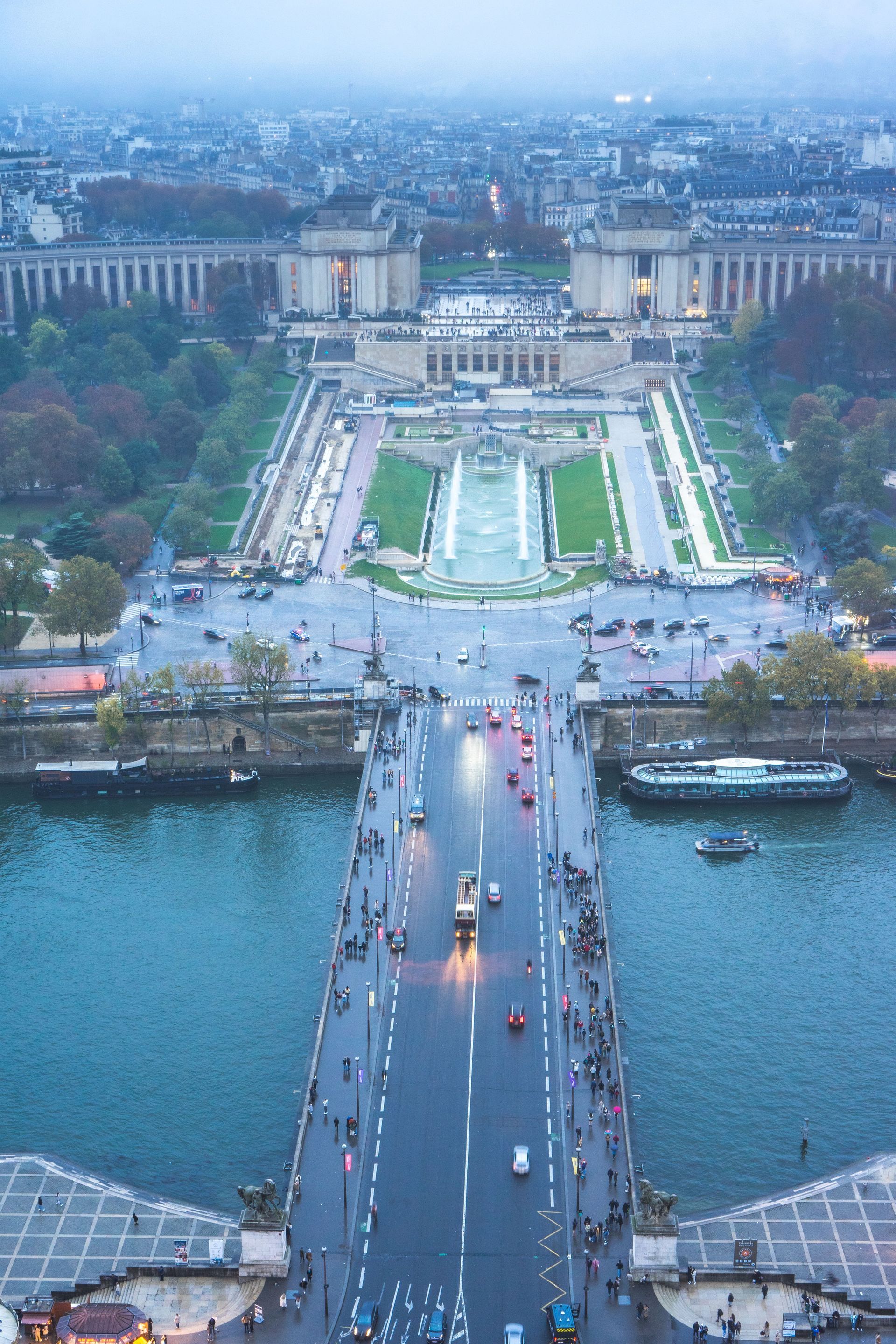
The Eiffel Tower is France’s most recognisable landmark and still one of the great first-time travel moments in Europe. Whether you go up for the views, admire it from the Champ de Mars or see it lit at night from across the Seine, it gives Paris its most unmistakable sense of occasion.
Explore the Palace of Versailles
The Palace of Versailles is one of France’s most impressive historic sites, with grand rooms, formal gardens, fountains and a scale that reflects the power and theatre of the French monarchy. It is an easy day trip from Paris and a must for travellers interested in history, architecture and royal France.
Discover Mont Saint-Michel
Mont Saint-Michel is one of France’s most dramatic sights, rising from tidal flats between Normandy and Brittany like something from a storybook. The abbey, narrow lanes and changing tides make it a memorable visit, especially if you stay long enough to see the light shift around the bay.
Tour the Châteaux of the Loire Valley
The Loire Valley’s châteaux are among the most beautiful historic buildings in France, with Chambord, Chenonceau, Amboise and Villandry among the standout names. Touring them gives you a wonderful mix of architecture, gardens, river scenery and French history without the pace of a city break.
Relax on the French Riviera
The French Riviera is one of the best places in France for a stylish coastal holiday, with beaches, old towns, art museums, marinas and Mediterranean food all close together. Spend time in Nice, Antibes, Cannes or Villefranche-sur-Mer for a sunshine break that combines relaxation with culture and easy exploring.
5 Cultural Highlights in France
France’s cultural appeal is enormous, shaped by art, architecture, food, fashion, literature, monarchy, revolution, faith and regional tradition. These highlights give travellers a strong starting point for understanding why France has such a lasting place in European travel.
Louvre Museum in Paris
The Louvre is one of the world’s great museums and a cultural landmark in its own right, with collections spanning ancient civilisations, sculpture, decorative arts and European painting. It is worth planning carefully rather than trying to see everything, because a focused visit is far more rewarding than rushing through the galleries.
Notre-Dame Cathedral in Paris
Notre-Dame is one of Paris’s defining landmarks and a masterpiece of Gothic architecture, set on the Île de la Cité at the historic heart of the city. Its reopening has renewed interest in the cathedral, but even from outside, the building and surrounding river setting remain deeply atmospheric.
Carcassonne Medieval City
Carcassonne is one of France’s most striking medieval sights, with towers, ramparts and old streets that make it feel almost cinematic. It is a superb cultural stop in southern France, especially for travellers who enjoy fortified towns, history and a strong sense of place.
D-Day Beaches in Normandy
The D-Day beaches of Normandy are among the most moving historic places in France, carrying deep significance for the Second World War and European history. Visiting them with respect, time and context can be a powerful experience, especially when combined with museums, cemeteries and local memorials.
Avignon and the Palais des Papes
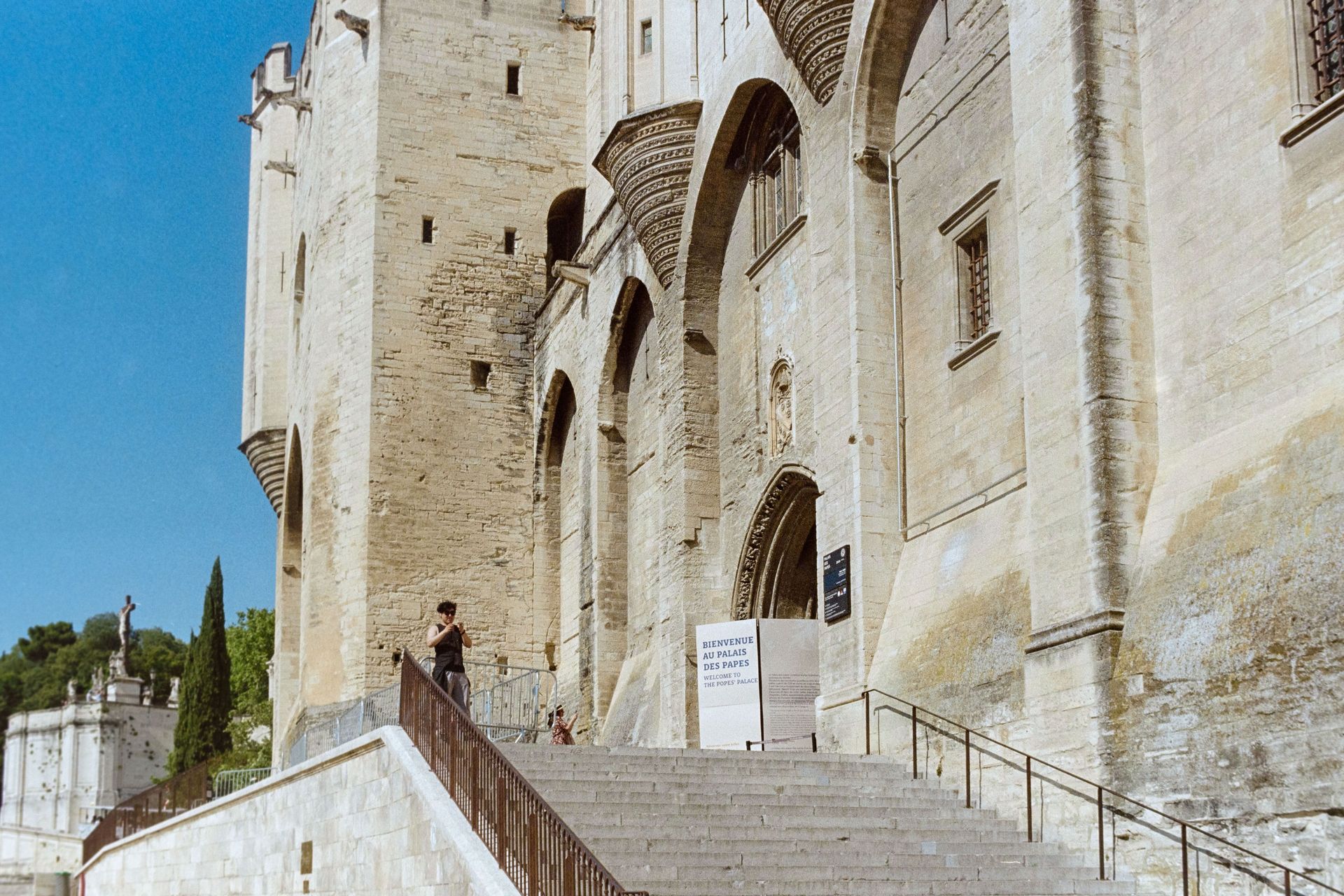
Avignon is one of Provence’s great cultural cities, known for its medieval walls, atmospheric streets and the imposing Palais des Papes. It is a brilliant base for exploring the region and a rewarding place to understand the religious, political and architectural history of southern France.
What are the best things to do in Majorca?
Popular things to do include visiting Palma’s old town, exploring the Serra de Tramuntana mountains, taking a boat trip along the coast, visiting traditional villages and spending time at the island’s beaches and coves.
Is Majorca good for families?
Yes, Majorca is a great family destination, with sandy beaches, shallow waters, family-friendly resorts, waterparks, boat trips and plenty of relaxed places to eat.
Can you explore Majorca without hiring a car?
Yes, many resorts have good local facilities, and buses, taxis and organised excursions make it possible to explore without driving. A car can be useful for visiting quieter beaches, villages and mountain viewpoints.
What is Majorca best known for?
Majorca is best known for its beaches, sunshine, scenic coastline, relaxed resorts, historic Palma, pretty villages and the dramatic Serra de Tramuntana mountain range.
Is Majorca only for beach holidays?
No, Majorca is also great for sightseeing, cycling, walking, food, shopping, culture, romantic escapes and luxury hotel stays.
Why France Is a Must Visit
Style, Scenery and Timeless Travel
France is a must-visit destination because it offers rare variety without losing its identity. You can build a holiday around Paris, the Riviera, wine regions, ski resorts, châteaux, villages, theme parks, beaches or countryside, and each version still feels unmistakably French.
For couples, France brings romance, boutique hotels, candlelit restaurants, vineyards, art galleries and some of Europe’s most beautiful cities. For families, it offers Disneyland Paris, beaches, campsites, ski resorts, museums and easy touring routes. For groups, there are city breaks, ski weeks, Riviera stays, wine weekends and lively resorts, while culture lovers can explore palaces, cathedrals, museums, battlefields, old towns and historic landscapes. France works because it has depth as well as beauty, and because it gives every traveller a different reason to return